
Building a Daily Language Practice Routine That Actually Sticks
Most people quit because they don't have a system. We've mapped out what works — morning drills, evening review, and the optimal schedule for your brain.
Read ArticleFive proven methods for learning languages on your own. No teacher required. No expensive courses. Just real techniques that actually work.

Thing is, most people think they need to sit in a classroom with a teacher telling them what to do. That's not how language learning actually works. We've worked with hundreds of learners across Dublin and Galway who've picked up real fluency through self-study. They didn't spend thousands on courses. They used systems.
The right techniques make all the difference. You'll learn five methods here that actually stick — not the vague advice you see online. These are specific, tested approaches. They take work, but they're worth it.
Spaced repetition isn't new, but most people don't do it right. You learn a word, then you see it again just before you'd forget it. That's the whole system. Your brain consolidates it into long-term memory instead of short-term cramming that evaporates.
Apps like Anki let you create digital flashcards. You review them on a schedule. The app shows you cards you're struggling with more often. Cards you know well? You see them less frequently. It's remarkably efficient.
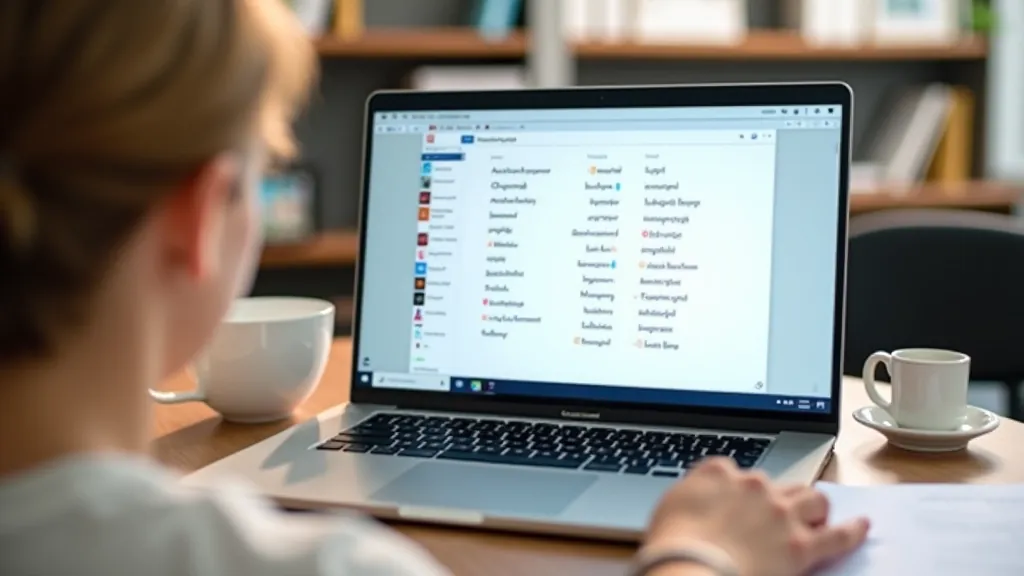

You don't need to move to Spain or France. You can immerse yourself at home through films, podcasts, and YouTube. The key is doing it actively, not passively.
Start with shows you actually enjoy watching. Watch with subtitles in your target language (not English). Pause, rewind, write down phrases. Do this 4-5 times per week for 30 minutes. After a month, you'll recognize patterns. After 3 months, you're understanding structure without translating in your head.
It's not magical. It's exposure combined with active attention. Your brain picks up patterns through repetition.
The timeframes mentioned here (8-12 weeks, 3 months) assume consistent daily practice. Everyone's different. Some people move faster, some slower. Your native language matters. Your prior language experience matters. Your discipline matters. These techniques work, but they require you to actually show up and do the work. There's no shortcut around that.


Self-study gets you grammar and vocabulary. Speaking gets you fluency. You need both. Finding conversation partners doesn't mean expensive tutors. It means finding people who want to learn your language while you learn theirs.
Websites like Tandem and HelloTalk connect language learners globally. You do 15 minutes in their language, 15 minutes in yours. It's free. It's awkward at first. But after a few sessions, you're actually communicating. That's when learning accelerates.
In Dublin and Galway, there are also conversation clubs that meet weekly. Real people, real practice. No app required.

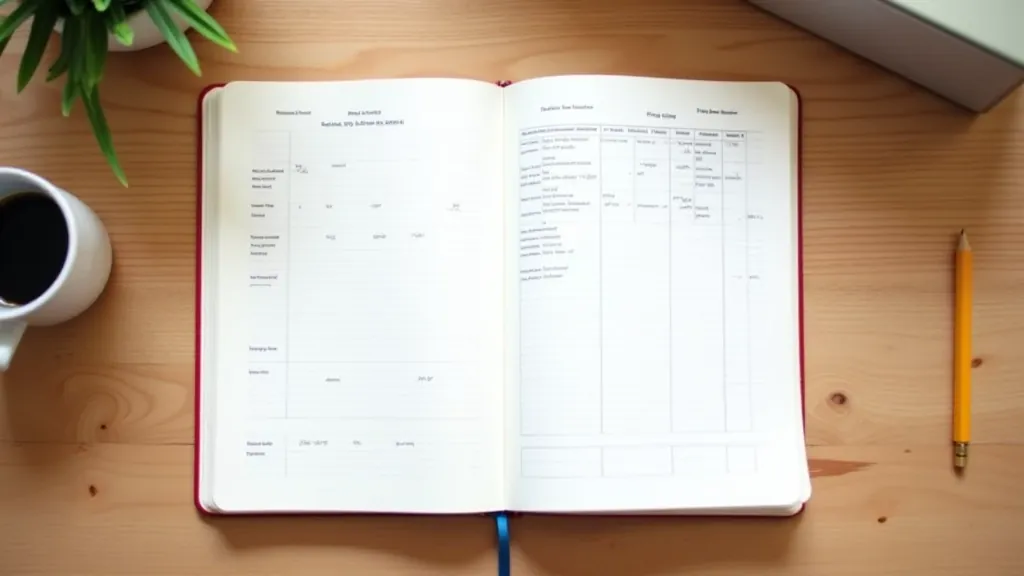
You can't improve what you don't measure. Deliberate practice means working on your weaknesses specifically, not just putting in hours.
Track your progress. Keep a simple spreadsheet. Record words learned per week. Note grammar topics you've covered. Log conversation hours. When you see progress, you stay motivated. When you're unmotivated, you quit.
Every two weeks, assess where you're weak. Pronunciation issues? Spend extra time on audio. Struggle with past tense? Do targeted grammar drills. This targeted approach gets results much faster than random studying.
Here's what doesn't work: studying for 8 hours on Saturday then nothing for a week. Your brain forgets. Consistency is everything.
20-30 minutes daily beats 3 hours once a week. Every time. Your brain consolidates language through repeated exposure over time. If you disappear for a week, you lose ground. If you show up every day, you build momentum.
Set a specific time. Morning before work. Evening after dinner. Same time every day. It becomes habit. You don't need motivation when it's a habit. You just do it.

Spaced repetition. Immersion through media. Conversation partners. Deliberate practice with tracking. Daily consistency. These five techniques work because they're backed by how your brain actually learns language.
You won't find shortcuts here. You'll find methods that work. Start with spaced repetition and immersion. Add conversation once you've built some foundation. Track your progress. Show up every single day.
Most people quit after a month because they're not seeing dramatic results. The ones who stick it out — who put in 20 minutes daily for 6-8 months — they're the ones having actual conversations in their target language. They're the ones feeling genuinely proud of what they've accomplished.
You can be that person too. You don't need a classroom. You just need to start.